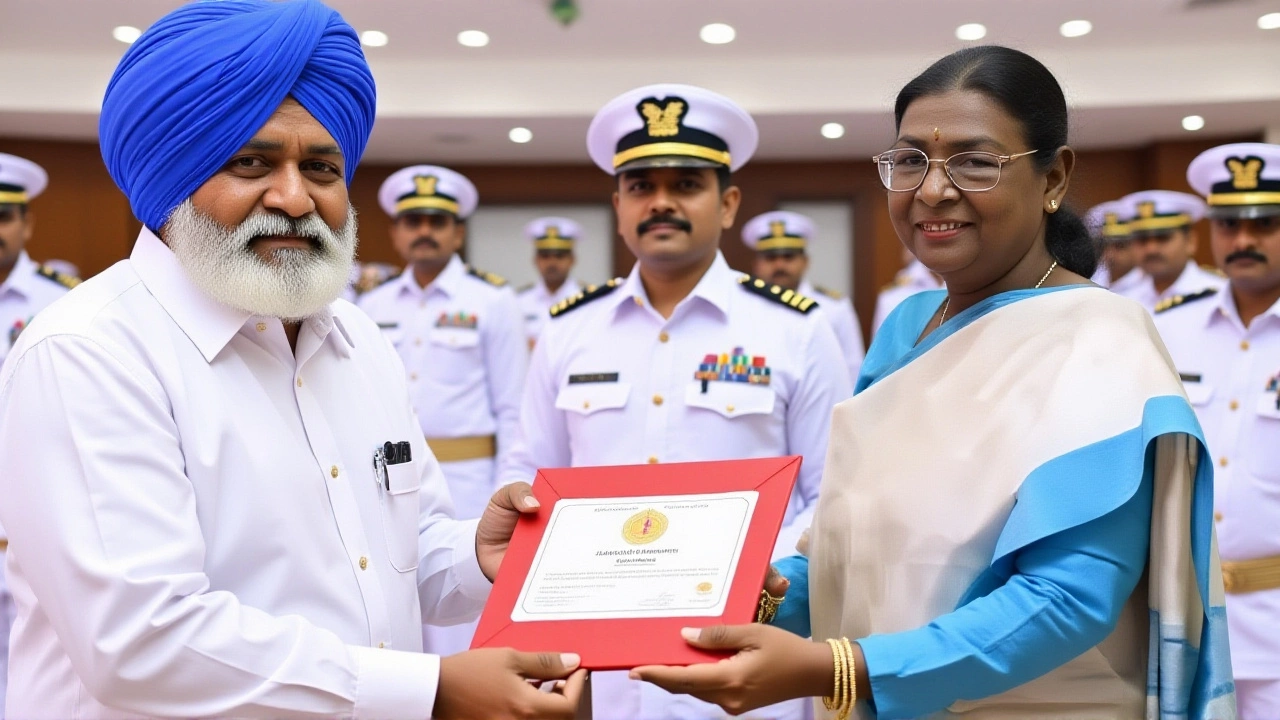
When the Ministry of Home Affairs, Government of India released its annual civilian honors list on January 25, 2024, one name stood out for its quiet, decades-long impact on the nation’s sporting identity. Baldev Singh, a veteran coach from Shahabad Markanda, was selected for the Padma Shri in the Sports category. It’s not just another award; it’s national recognition for the man often called the “Droneacharya of Shahabad,” who single-handedly turned a small town in Haryana into the undisputed capital of Indian women’s hockey.
The announcement came in New Delhi, setting the stage for the formal ceremony at Rashtrapati Bhavan later this year. But here’s the thing: while headlines flash with names of Olympic medalists, Singh’s contribution is the invisible architecture beneath their success. He didn’t just coach players; he built a system where talent from rural backgrounds could thrive against all odds.
The Architect of a Hockey Dynasty
To understand why this matters, you have to look at Shahabad Markanda. Nestled in the Kurukshetra district of Haryana, this town isn’t known for tech parks or financial hubs. It’s known for turf fields and early morning drills. For over three decades, Baldev Singh has operated academies here that function less like sports clubs and more like rigorous finishing schools for elite athletes.
His approach is old-school but effective. Free training. Low-cost kits provided by local donors when families couldn’t afford them. Drills that run from dawn until dusk. The result? Dozens of players have emerged from his academies to represent India in senior and junior national teams. Many of these athletes have gone on to compete in major multi-sport events, including the Olympic Games, Tokyo, the Asian Games, and the Commonwealth Games.
It’s a remarkable pipeline. In a country where grassroots sports infrastructure is often fragmented, Singh created a self-sustaining ecosystem. He didn’t wait for government grants to build world-class facilities; he used school grounds and local resources, focusing intensely on technique, fitness, and mental resilience. As one former player noted, "He taught us that discipline beats talent when talent doesn't work hard."
From Dronacharya to Padma Shri
This isn’t Singh’s first taste of national acclaim. Back in the late 1990s, he received the Dronacharya Award, India’s highest honor for sports coaches, established in 1985. That award recognized his technical expertise and dedication. But the Padma Shri, India’s fourth-highest civilian award, elevates his status from a great coach to a national icon.
The distinction is subtle but significant. The Dronacharya Award celebrates coaching prowess within the sports community. The Padma Shri acknowledges broader societal impact. By honoring Singh now, the government is signaling that the development of women’s sports is a priority worthy of top-tier civilian recognition. It validates the entire model of grassroots development that has defined Haryana’s sporting culture for decades.
Interestingly, the timing aligns with a resurgence in interest in Indian women’s hockey following strong performances on the global stage. The team’s journey to the bronze medal at the Tokyo Olympics (held in 2021) highlighted the depth of talent available. While many players came from different states, the foundational training styles and tactical philosophies prevalent in the national setup owe a debt to pioneers like Singh.
The Rani Rampal Connection
You can’t talk about Shahabad without mentioning Rani Rampal. The current captain of the Indian women’s hockey team and an Arjuna Awardee herself, Rampal’s early years were shaped by the very same fields in Shahabad Markanda. Reports indicate that she trained under Singh’s guidance during her formative years, absorbing the rigorous standards he set for every athlete.
Rampal has publicly acknowledged this influence. In various interviews, she and other international-level players have credited Singh not just for teaching them how to play hockey, but for teaching them how to be professionals. They speak of his ability to instill a sense of pride and responsibility, qualities that translate directly to performance under pressure. When Rampal leads the team onto the field today, she carries the imprint of that small-town academy with her.
This mentorship model is rare. Most high-profile coaches move to metropolitan centers or join corporate-backed franchises. Singh stayed put. He remained in Shahabad, continuing to scout and nurture raw talent from surrounding villages. His consistency is perhaps his greatest asset. While trends change and funding cycles fluctuate, his commitment to the next generation has never wavered.
A Ripple Effect Across Haryana
The impact of Singh’s work extends beyond individual medals. It has changed social perceptions. In a region where traditional gender roles can sometimes limit opportunities for girls, hockey became a viable and respected career path. Parents who might have otherwise discouraged their daughters from pursuing sports now see it as a route to stability and pride.
Local officials in Haryana have frequently praised Singh’s contributions. State-level programs have honored him, recognizing his role in putting Haryana on the map for women’s hockey. The Padma Shri announcement triggered waves of celebration in Shahabad. Residents view it as a victory for the entire town, proving that excellence can emerge from anywhere if given the right support structure.
Experts in sports sociology note that such awards serve a dual purpose. They reward the individual, yes, but they also legitimize the profession of coaching. In a landscape where coaches are often undervalued compared to players, Singh’s elevation to Padma Shri recipient status reinforces the idea that behind every star athlete is a dedicated mentor. This could encourage more young people to pursue coaching as a serious vocation, bringing scientific methods and long-term planning to grassroots levels.
What’s Next for Indian Women’s Hockey?
With Singh receiving this honor, the focus shifts to sustainability. Can the Shahabad model be replicated elsewhere? The answer lies in scaling up the resource allocation. Singh himself has appealed to government bodies and sports administrators for better infrastructure and long-term policy frameworks. He wants to ensure that the next generation doesn’t have to rely solely on personal sacrifice and local charity to succeed.
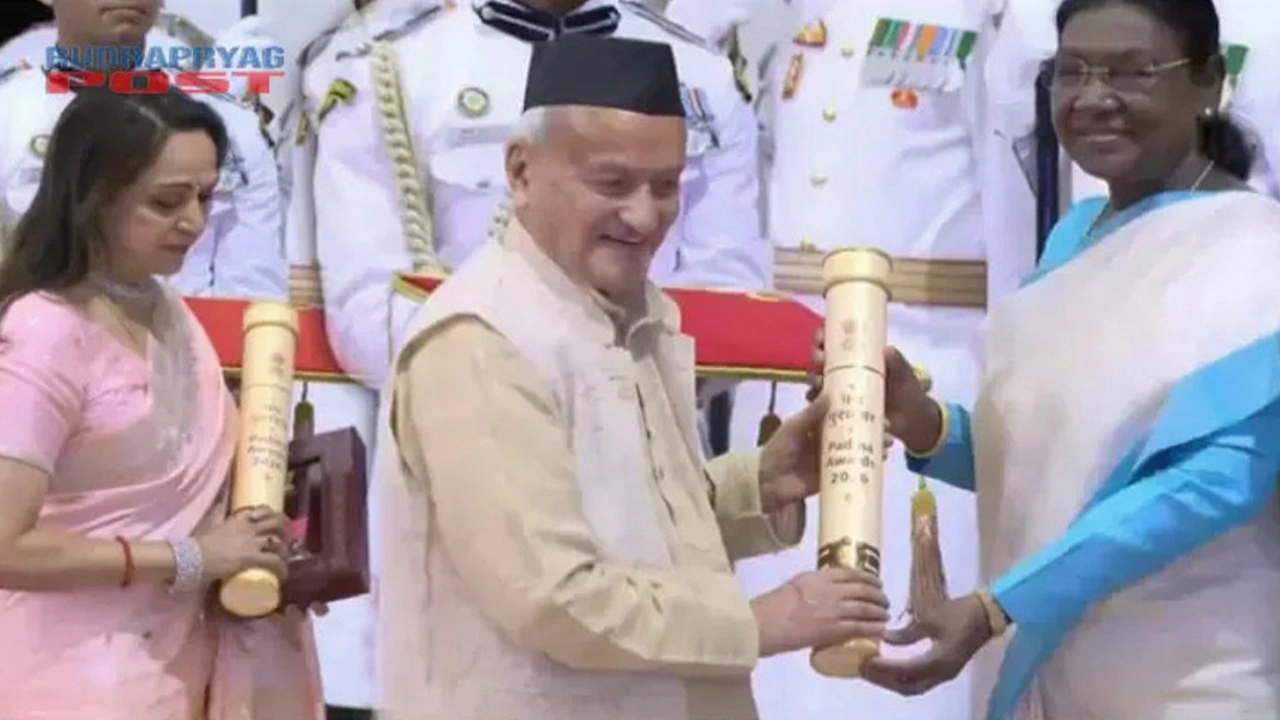
The formal investiture ceremony will take place at Rashtrapati Bhavan in New Delhi, where the President of India will present him with the citation and medallion. Until then, the conversation around his legacy continues to grow. Analysts suggest that this award could lead to increased investment in women’s hockey academies across rural India, mimicking the Shahabad blueprint.
For now, Baldev Singh remains in Shahabad Markanda, likely already on the field, watching the next batch of girls practice their drag flicks. The award is a capstone, but the work is far from over. As he often says, the trophy belongs to the team, and the future belongs to the players still learning their steps on those dusty, beloved turfs.
Frequently Asked Questions
Who is Baldev Singh and why did he receive the Padma Shri?
Baldev Singh is a renowned hockey coach from Shahabad Markanda, Haryana, known as the "Droneacharya of Shahabad." He received the Padma Shri in 2024 for his decades-long contribution to developing Indian women's hockey, having trained dozens of international-level players through his grassroots academies.
What is the significance of Shahabad Markanda in Indian hockey?
Shahabad Markanda has become a premier hub for women's hockey in India, largely due to Baldev Singh's efforts. It serves as a nursery for talent, producing players who have represented India in the Olympics, Asian Games, and Commonwealth Games, transforming the town into a national center for sporting excellence.
Has Baldev Singh received any other awards before?
Yes, he previously received the Dronacharya Award in the late 1990s, which is India's highest honor for sports coaches. The Padma Shri is a higher civilian award, recognizing his broader societal impact and lifelong dedication to the sport beyond just coaching metrics.
Did Rani Rampal train under Baldev Singh?
Reports indicate that Rani Rampal, the captain of the Indian women's hockey team, trained under Baldev Singh's guidance during her early years in Shahabad Markanda. She and other international players have credited him for instilling the discipline and professional mindset crucial to their success.
When will Baldev Singh receive the Padma Shri award?
The formal investiture ceremony typically takes place later in the year at Rashtrapati Bhavan in New Delhi. The President of India presents the award during a special function, following the announcement made by the Ministry of Home Affairs on Republic Day eve.