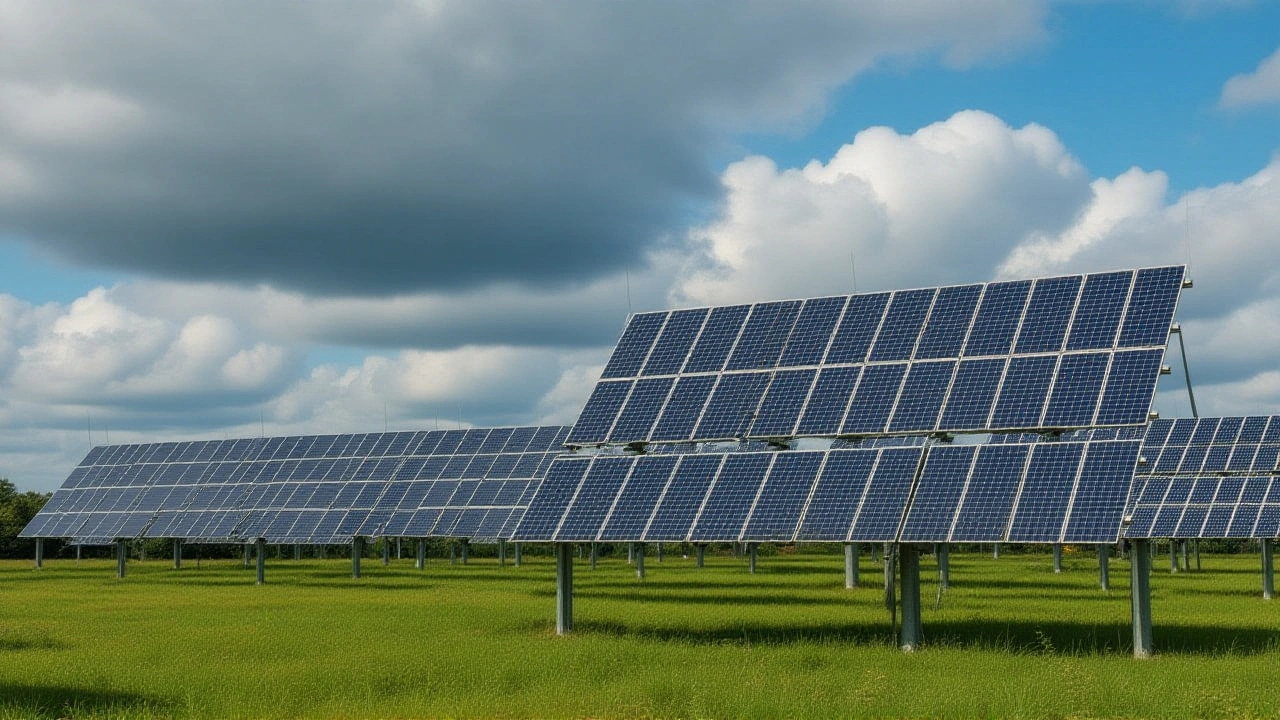
When Aaj Tak published a stark warning on January 2, 2026, it wasn't just another tech tip—it was a financial survival guide for Indian farmers. The report highlighted how simple cleaning errors can slash the lifespan and efficiency of solar panels installed on farmland, turning a lucrative investment into a costly liability.
For thousands of farmers across India who have embraced solar energy under government schemes like PM KUSUMIndia, the promise is clear: free power for irrigation and extra income from selling surplus electricity. But here’s the thing—without proper care, that promise fades fast. A scratch on the glass or a chemical burn on the coating doesn’t just look bad; it reduces energy output by up to 30% over time.
The Six Cleaning Sins That Drain Your Returns
The twist is that most damage isn’t caused by weather or age—it’s caused by well-meaning but misguided maintenance. According to the report, six specific mistakes are rampant among rural users:
- Using abrasive tools: Brooms, stiff brushes, or burlap sacks might seem effective for dust, but they micro-scratch the tempered glass. These scratches scatter sunlight instead of letting it pass through to the cells.
- Harsh chemicals: Detergents, phenyl, or acids strip the anti-reflective coating. Once that layer is gone, the panel absorbs less light, directly cutting your wattage.
- Cleaning in peak sun: Wiping a hot panel with cold water causes thermal shock. Glass expands and contracts at different rates than the frame, leading to cracks you won’t see until it’s too late.
- Leaving systems live: Cleaning while the inverter is on risks electric shock. Water conducts electricity, and a short circuit can fry the entire system.
- Walking on panels: Solar modules aren’t designed to bear human weight. Stepping on them can crack internal cells or warp the aluminum frame, compromising structural integrity.
- High-pressure washing: Jet washes force water past seals. Moisture ingress leads to corrosion inside the junction box, often voiding warranties instantly.
The fix? Simple. Use soft microfiber cloths, mild soap solutions, and clean only during early morning or late evening when temperatures are moderate. Always switch off the DC isolator before touching any part of the system.
Why This Matters Now More Than Ever
Contextually, this advice comes as solar adoption accelerates. Under the Ministry of New and Renewable Energy (MNRE), the PM KUSUM scheme offers up to 60% central subsidy for solar pumps. Farmers contribute just 10%, with banks covering the remaining 30%. It’s a deal that makes sense—until poor maintenance eats away the returns.
Take Loom Solar, a key player in agrivoltaics education. Their blog emphasizes that technical due diligence matters before installation. Is your motor AC or DC? Do you need a submersible pump license? Ignoring these details can lead to legal trouble or inefficient setups.

The Delhi Model: A Blueprint for Profit
But wait—the real game-changer might be closer to home. In New Delhi, the state government has launched an aggressive solar lease program. Here’s how it works:
Farmers allocate one-third of their land to private companies for solar farms. In return, they receive ₹1,00,000 per acre annually, indexed to 6% yearly inflation. After 25 years, they get an additional ₹4,00,000 per acre. Meanwhile, the company sells power to the grid at ₹5 per unit—down from the current ₹9 purchase rate—saving the exchequer an estimated ₹300–400 crore annually.
This isn’t just about saving money. It’s about doubling down on productivity. Panels are mounted 3.5 meters high, allowing tractors to pass underneath. Crops grow beneath the shade, reducing water evaporation. One megawatt plant requires six acres and generates 1.3 million units of electricity. For a farmer earning ₹25,000–₹30,000 per acre traditionally, this model triples or quadruples income within eight to nine months of setup.
Expert Perspective: Maintenance Is Non-Negotiable
“Solar panels are low-maintenance, not no-maintenance,” says Dr. Rajesh Kumar, a renewable energy consultant based in Haryana. “I’ve seen farms lose 15% capacity in two years because owners used pressure washers. The initial savings on cleaning cost them dearly in lost generation.”
He adds that regional dust patterns matter. In Rajasthan, sandstorms require weekly gentle wiping. In Punjab, bird droppings need immediate removal to prevent acidic corrosion. There’s no one-size-fits-all approach—but there is a right way.
What’s Next for Agrivoltaics?
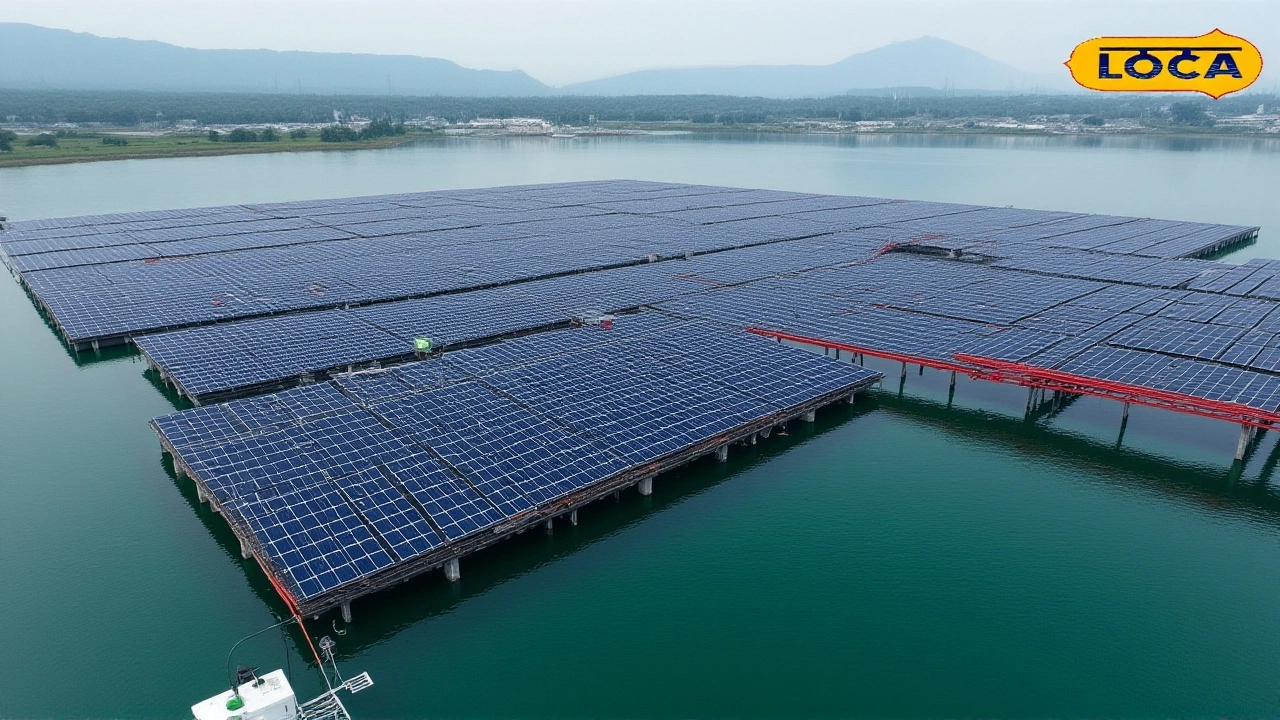
With states like Gujarat and Maharashtra rolling out similar models, the trend is irreversible. The question isn’t whether farmers will adopt solar—it’s how well they’ll maintain it. As subsidies phase out post-2028, those who treat their installations as long-term assets rather than quick fixes will thrive.
Keep an eye on upcoming MNRE guidelines expected in Q2 2026, which may mandate certified maintenance training for all subsidized installations. If you’re planning a solar farm, start now—not just with installation, but with education.
Frequently Asked Questions
How often should I clean my solar panels?
Ideally every 2–4 weeks, depending on local dust levels. In arid regions like Rajasthan, weekly checks are recommended. Look for visible soiling, especially after monsoon seasons when mud residue dries onto surfaces.
Can I use vinegar or lemon juice to clean panels?
No. Acidic substances degrade the anti-reflective coating over time. Stick to plain water or diluted dish soap (less than 1% concentration). Rinse thoroughly to avoid soap film buildup.
Is the Delhi solar lease model available nationwide?
Not yet. While PM KUSUM operates nationally, the specific rental structure described is unique to Delhi’s pilot program. However, Gujarat and Maharashtra are testing similar PPP frameworks with varying terms.
What happens if I skip maintenance for a year?
You could lose 10–20% annual yield. Dust accumulation alone reduces efficiency by 0.5% per month. Combined with potential seal degradation from heat cycles, total losses compound significantly over time.
Do I need special insurance for farm-installed solar systems?
Yes. Standard crop insurance doesn’t cover equipment. Most financiers require comprehensive coverage including hail, wind, and theft protection. Premiums range from 1.5–2.5% of installed cost annually.